The Origins of BMW’s M Series and Its Racing Influence
BMW’s M badge did not start as a trim package. It began as a motorsport skunkworks that built cars to win, then used what it learned to shape road models. That is why an M car feels taut on a back road yet civil on the daily commute. The lineage goes straight from track to street, with engineering choices you can feel in the seat and through the wheel.
From a Small Racing Department to a Global Benchmark
BMW formed BMW Motorsport GmbH in the early 1970s to coordinate factory racing. The division’s first halo car, the M1, proved the formula: mid-engine layout, advanced materials for the time, and a straight six that loved to rev. Even in limited numbers, the M1 set expectations for how precise and durable a fast BMW should feel.
Touring Car Dominance Wrote the M Playbook
The E30 M3 made the connection clear. Built so BMW could race under Group A rules, it wore box flares for wider track width and a high revving four cylinder that thrived on circuits. Chassis stiffness, sharp turn-in, and durable brakes came first, then road comfort followed. That template still guides modern M cars, even as power grew and technology changed.
Engines Built to Work Hard, Not Just Sound Good
Classic M powerplants were designed to hold high rpm for long sessions. The S14 four in the E30 M3, the S54 six in the E46 M3, and the S65 V8 in the E92 M3 are examples of fast-breathing engines with tight tolerances. Today’s turbocharged M engines add torque and cooling capacity without losing that linear response. You feel it when the car takes throttle smoothly out of a corner rather than thumping forward in a surge.
Suspension and Steering Tuned for Real Feedback
Race setups taught BMW to prioritize bushing stiffness, control arm geometry, and spring rates that keep the contact patch flat. Many M models use unique aluminum arms, solid mounts in key locations, and specific alignment targets that trade a little tire life for better precision. Steering ratios are chosen to keep inputs small and predictable. That is why an M car feels settled on a fast lane change and composed on uneven pavement.
Brakes and Cooling That Survive Track Heat
Laps teach harsh lessons about heat. Multi piston calipers, larger rotors, and high airflow ducts carry over from the circuit. Oil coolers, auxiliary radiators, and careful undertray design keep temperatures in range on long climbs and hot days. Even if you never see a track, that reserve capacity shows up during a mountain descent with passengers and luggage.
Differentials and Software Aim the Power
Early M cars relied on mechanical limited slip units to put power down. Modern versions blend clutch packs with precise control software. The result is traction you can meter with your right foot rather than a sudden cut in power. On a wet on-ramp, you feel the outside tire dig in and drive you forward, which reduces the need for stability corrections later in the corner.
Lightweight Mindset in Everyday Details
Racing rewards weight savings in grams, and grams add up. You see it in thinner glass on special models, composite roof panels, and wheels chosen for stiffness and low mass. Even the way the exhaust routes under the car is about clearing space for airflow and keeping mass central. A lighter system responds quicker to steering and throttle, and it stops better with the same brake hardware.
Ownership Notes That Keep an M Car Feeling Right
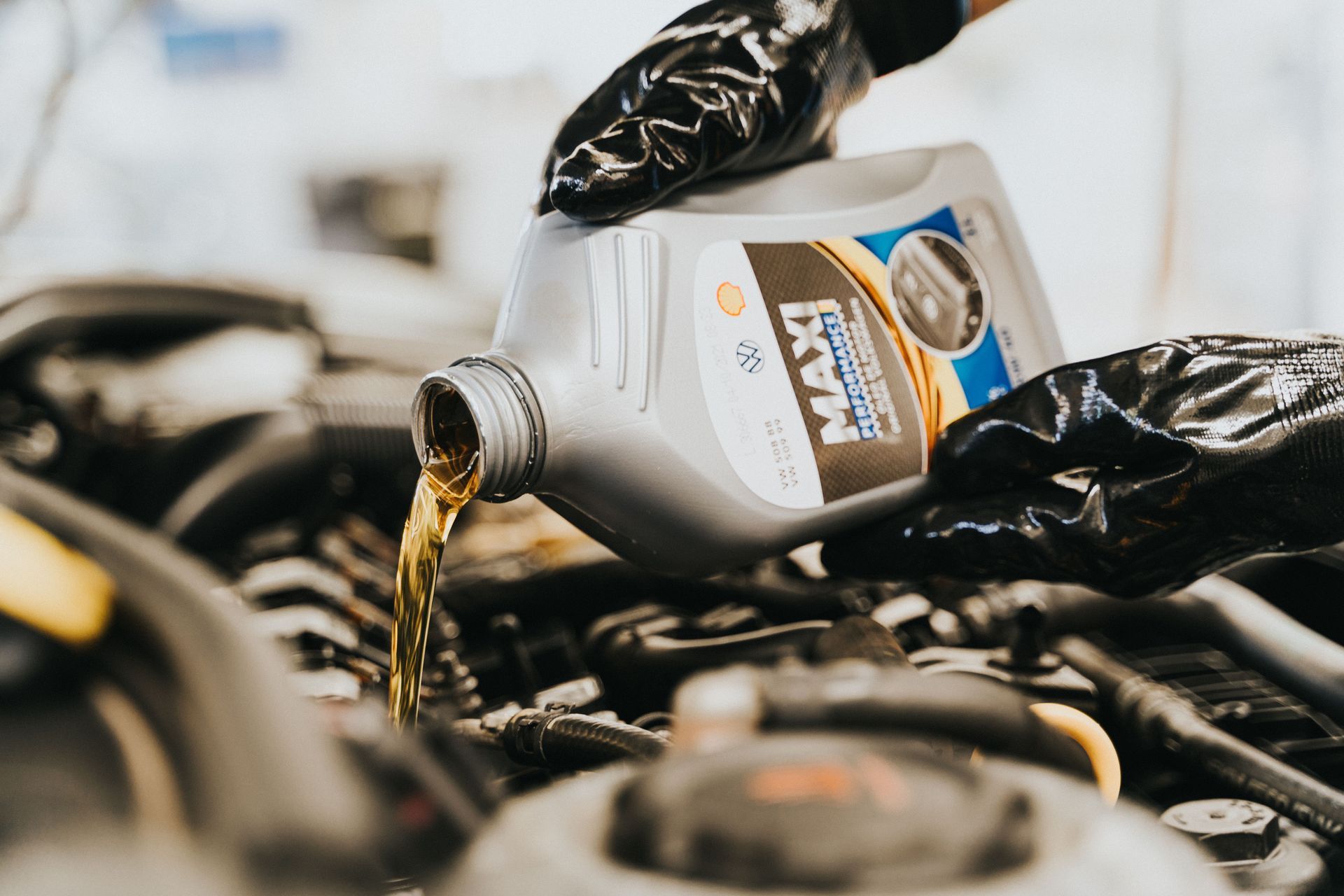
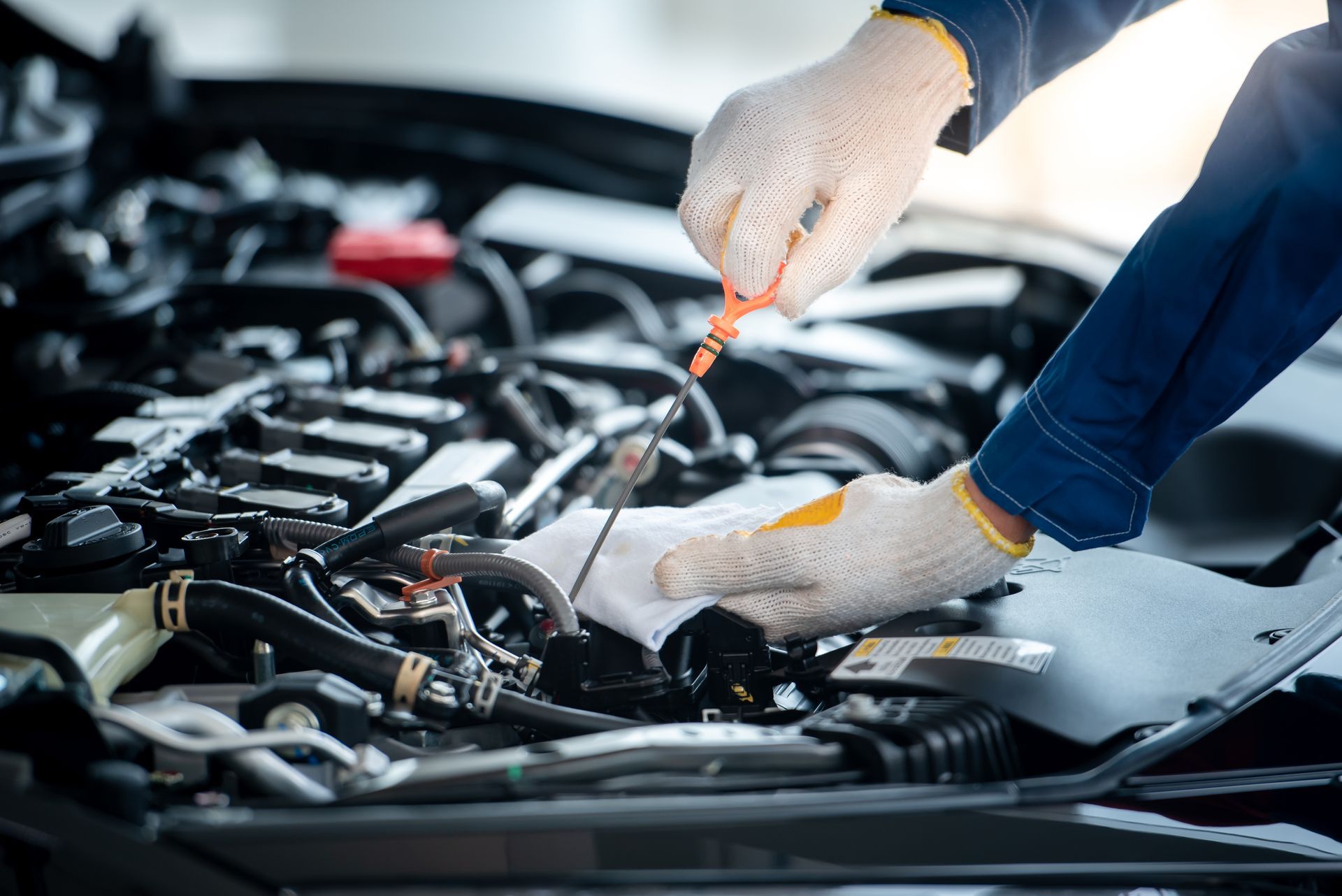
The racing DNA sets a few expectations. Fluids matter, and the correct approvals are not negotiable. Spark plugs, coils, and filters run under higher thermal stress, so following time based service is smart even when miles are low. Ride height changes affect alignment curves more than they do on standard models, so a proper alignment after suspension work is essential. If you plan track days, pre- and post-event inspections for pads, rotors, torque values, and tire condition protect parts and keep the car honest.
Keep Your M Sharp with Bertinis German Motors in Roseville, CA
If your M car feels off its best or is due for time-based service, we can help. Our team follows factory procedures, uses the correct fluids, and sets alignments that preserve the feedback you bought the car for.
Call to schedule or stop by our Roseville shop for a clear plan and a car that feels tight, responsive, and ready for the next drive.