Why Does My Audi EPC Light Come On Then Go Away?
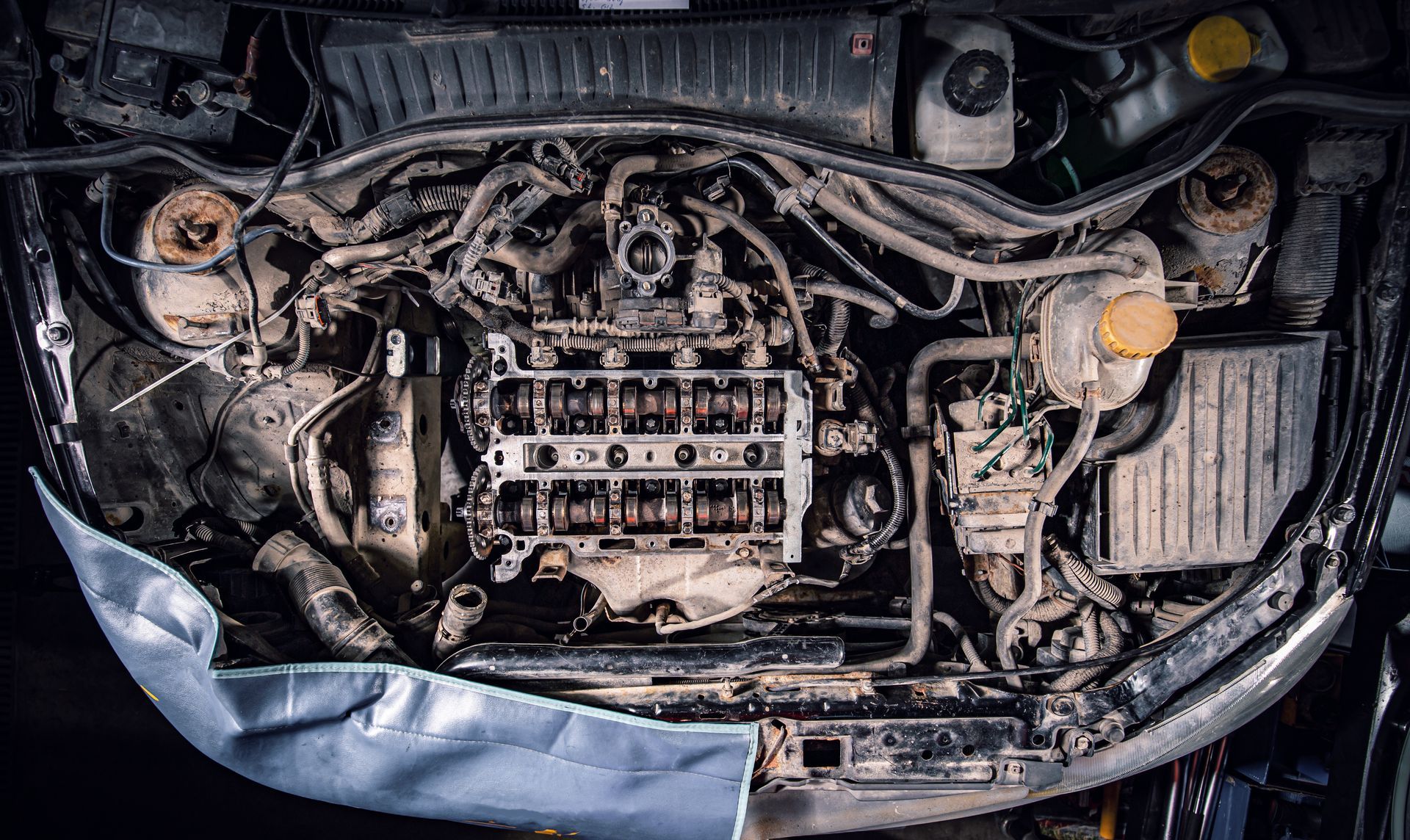
The EPC light can be confusing because it does not always stay on. You might see it for one drive, then it disappears as if nothing happened. But on many Audis, EPC is the car’s way of saying the electronic throttle and engine power control system saw something it did not like. Even if the light turns off, the car may have stored a fault that helps explain what triggered it.
If you catch a few details before it comes back, it gets a lot easier to pin down the real cause.
What The EPC Light Is Really Telling You
EPC stands for Electronic Power Control. On most Audi models, it relates to the drive-by-wire system, meaning your accelerator pedal and throttle body are controlled electronically, not by a physical cable. The system constantly checks sensor signals and compares them to what the engine is doing.
When those signals do not agree, the car may limit power to protect the engine and drivetrain. Sometimes you feel that as a reduced response, a rough idle, or a car that suddenly does not want to accelerate the same way. Other times, you just see the light and the car seems mostly normal.
Why It Can Turn Off And Still Be A Real Problem
Intermittent faults are common with EPC complaints. A connector may lose contact for a split second, a sensor signal may drift out of range under heat, or voltage may dip during a low speed turn with accessories running. If the condition stops, the light can turn off, but that does not mean the problem is gone.
We see this a lot when the issue only happens under a specific condition, like a hot restart, a long hill climb, or heavy throttle merging. The car notices the mismatch, protects itself, then goes back to normal once the numbers line up again. The important part is that the pattern still points to something that needs attention, not a ghost warning.
Common Causes On Audi Vehicles
EPC can be triggered by several different systems, so it helps to think in categories rather than guessing one part.
Here are some of the more common directions we check when an Audi has an on and off EPC light:
- Throttle body issues, including carbon buildup or an internal motor or position sensor fault
- Accelerator pedal position sensor problems, especially if the signal drops or becomes inconsistent
- Boost and air metering faults on turbo engines, such as a split hose, weak diverter valve, or a leak that shows up under load
- Brake light switch or related inputs that confuse the power control logic
- Low voltage or charging problems that cause modules to misbehave briefly
Misfires can also play a role. If the engine is stumbling under load, the car may reduce power and set EPC because it detects unstable combustion. In that case, the EPC light may appear alongside a check engine light, but not always at the same time.
Clues You Can Note Before You Bring It In
If the EPC light is intermittent, your observations can save time. Try to remember what was happening right when it came on. Was it during acceleration, right after starting, while cruising, or while slowing down.
Also, pay attention to how the car behaves at the moment. Did it limit power, idle oddly, or hesitate? If you noticed the traction control light, cruise control shutting off, or a sudden change in throttle response, those details can point toward the system that triggered the event.
A simple habit that helps is taking a quick phone note with mileage, outside temperature, and what you were doing. That is not overkill. It often gives us the exact conditions we need to reproduce the fault during testing.
Owner Mistakes That Make EPC Issues Worse
One mistake is clearing codes immediately after the light goes away. That can erase useful stored data that tells us what the engine was doing when the fault occurred. Another mistake is replacing the first part mentioned in a generic code description, especially on throttle and air metering faults, because several different problems can set similar codes.
It is also common for people to ignore battery and charging health. A weak battery or marginal alternator can create low voltage events that trigger warnings across multiple systems, including EPC. If your Audi has been slow to crank, or you have seen other odd electrical behavior, that is worth mentioning.
A Practical Decision Guide For Driving With EPC On
If the EPC light comes on and the car suddenly has very limited power, treat it as a sign to reduce driving and get it checked soon. If the engine is shaking, running rough, or you smell fuel, avoid pushing it, because misfires and fuel related issues can lead to more expensive consequences.
If the light comes on briefly but the car drives normally afterward, you can usually drive short distances while you schedule service. Just do not keep testing it by driving hard to see if it returns. The safer approach is to get it inspected while the fault data is still stored, so we can confirm what triggered the warning instead of guessing.
Get Engine Diagnostics in Roseville, CA, with Bertinis German Motors
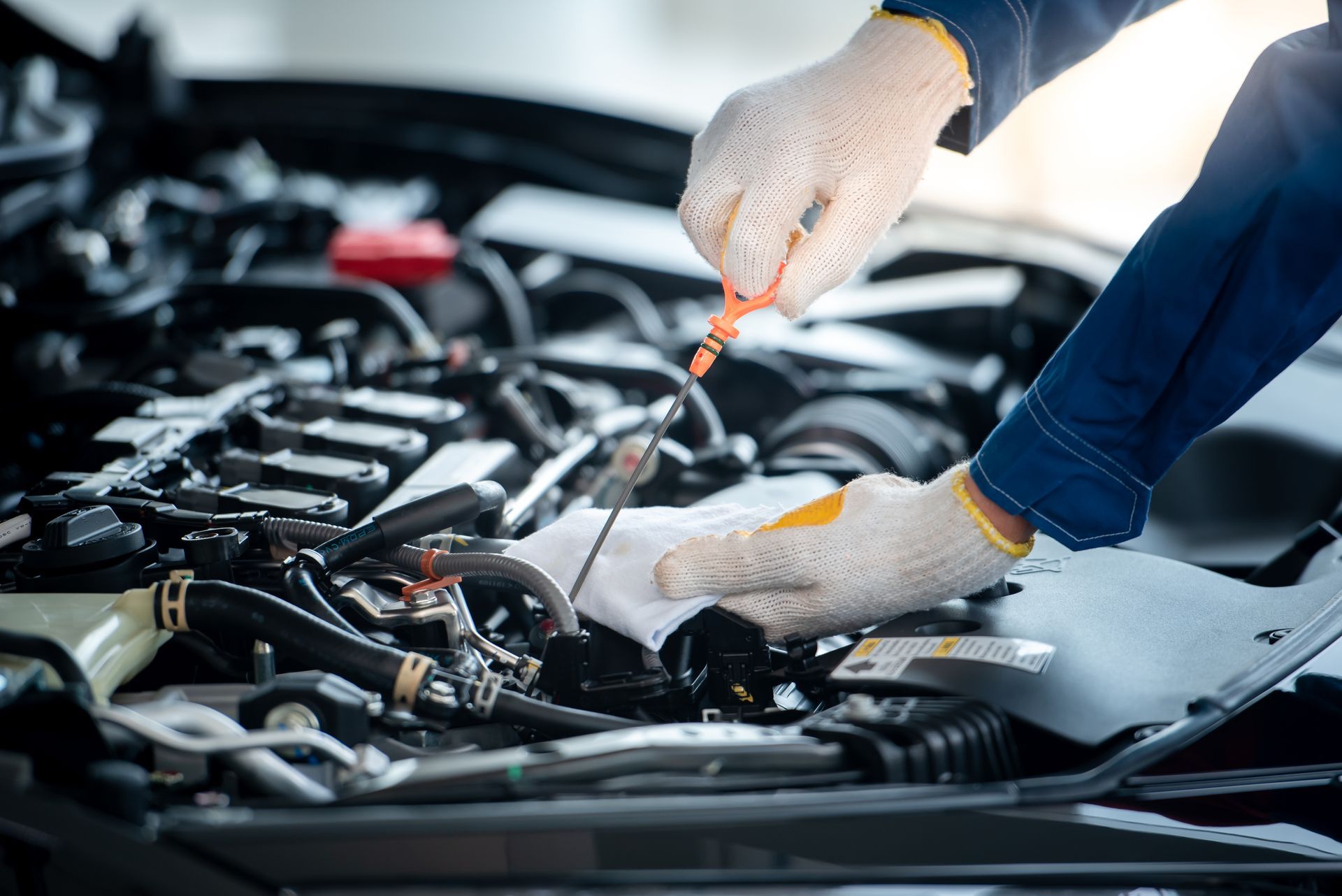
If your Audi’s EPC light is coming on and going away, we can run targeted diagnostics, check the throttle and pedal signals, verify air and boost behavior, and track down what is causing the system to limit power. We’ll explain what the testing shows and the next step before you spend money on the wrong part.
Call
Bertinis German Motors in Roseville, CA, to schedule a visit, and we’ll help you get the EPC warning sorted out the right way.