What Causes Volkswagen and Audi DSG To Hesitate Off The Line?
A Volkswagen or Audi with a DSG transmission should feel quick and direct when you leave a stop. When it hesitates, shudders, or takes a moment before moving, it can make normal driving feel awkward. It is especially noticeable in traffic, parking lots, and stop-and-go situations.
DSG hesitation can come from several places. Some are transmission-related, while others involve engine response, software behavior, mounts, or maintenance history. The key is to determine whether the delay is normal behavior for that model or a sign that something is starting to wear out.
How A DSG Transmission Works
A DSG is a dual-clutch transmission. Instead of using a traditional torque converter like many automatic transmissions, it uses two clutches and a computer-controlled system to select gears. One clutch handles certain gears, while the other handles the remaining gears, allowing quick shifts once the vehicle is moving.
That design is part of what makes DSG-equipped Volkswagen and Audi models feel responsive. At the same time, the system has to manage clutch engagement from a stop. If clutch control, fluid condition, adaptation, or engine response is not right, hesitation off the line can become more noticeable.
Some Low-Speed Delays Can Feel Normal
A DSG does not always feel exactly like a traditional automatic. At a stop, it has to engage a clutch rather than rely on a torque converter’s natural creep. That can create a slight delay, especially if the driver moves quickly from brake to throttle or if the vehicle is creeping in traffic.
That does not mean every delay is normal. A small pause is different from a hard shudder, repeated hesitation, jerking, slipping, or a car that feels unsure every time it starts moving. When the behavior changes from what the car used to do, it deserves an inspection.
Worn Clutches Can Create a Shudder Or Slipping
DSG clutches wear over time, especially in heavy traffic, hilly areas, or driving conditions that require frequent creeping. If the clutch packs are worn or not applying as cleanly as they should, the vehicle may shudder, hesitate, or feel like it is slipping when leaving a stop.
This can feel worse when the transmission is warm or when the car is moving slowly through traffic. Drivers may notice a shake, a rough takeoff, or a delay before the car fully responds. Our technicians look at clutch behavior, scan data, and driving conditions before deciding whether the issue is wear, adjustment, or something else.
Mechatronic Problems Can Affect Engagement
The mechatronic unit controls much of the DSG’s shifting and clutch operation. It combines electronic and hydraulic control, which means a fault in this area can affect how the transmission engages gears, shifts, or responds from a stop.
A mechatronic issue can cause harsh engagement, delayed takeoff, warning lights, fault codes, or inconsistent shifting. These problems can be easy to confuse with clutch wear because the symptoms overlap. That is why proper diagnostics are important before assuming the transmission needs major work.
Fluid Condition And Service History Matter
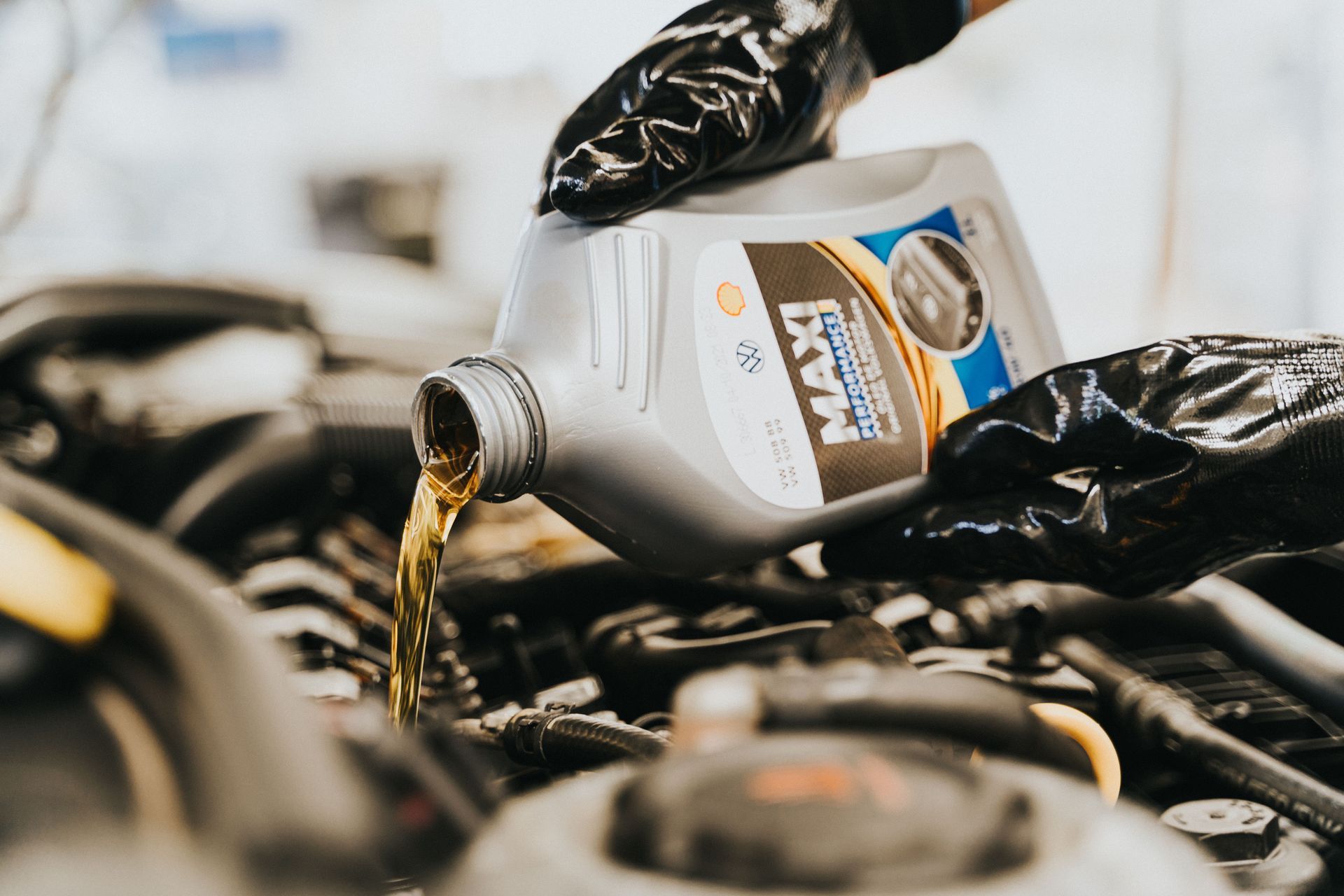
DSG service is not something to skip. Many DSG units require specific fluid and filter service at set intervals. Old or incorrect fluid can affect pressure, lubrication, heat control, and clutch operation. A fluid service will not repair damaged clutches, but neglected fluid can contribute to rougher operation and faster wear.
Regular maintenance is important here because DSG units are sensitive to fluid condition and service procedures. The correct fluid, filter, fill level, and temperature all count. A careless service can create new problems, while a proper one helps protect the transmission.
Software, Adaptation, And Engine Response Can Play A Role
A DSG hesitation is not always caused solely by the transmission. Software updates, clutch adaptations, throttle response, turbo lag, engine misfires, carbon buildup, vacuum leaks, and fuel delivery problems can all affect how the car leaves a stop. If the engine is slow to respond, the DSG may feel like the cause even when it is reacting to another problem.
Mounts can add to the feeling, too. Worn engine or transmission mounts can make takeoff feel rougher because the drivetrain moves more than it should. We check the engine and transmission together because the driver feels the whole system, not just one part.
Warning Signs That Need Attention
A little DSG personality is one thing. A clear change in behavior is another. Hesitation should be checked for shuddering, slipping, hard engagement, warning lights, clunking, burning smells, fluid leaks, or rough gear shifts.
The same is true if the problem is getting worse. A DSG that hesitates once in a while under specific conditions is different from one that feels uncertain every time you leave a stop. Finding the cause early can help prevent a smaller issue from turning into a more expensive transmission repair.
Get DSG Service In Roseville, CA, With Bertinis German Motors
If your Volkswagen or Audi DSG hesitates off the line, shudders, or feels inconsistent in traffic, Bertinis German Motors in Roseville, CA, can inspect the transmission, engine response, mounts, fluid condition, and fault data to find the cause.