Why the MINI Cooper Remains One of the Most Recognizable Cars Ever Made
Few cars are identified as quickly as a MINI Cooper. Its compact proportions, upright cabin, circular headlights, short overhangs, and wheels pushed toward the corners create a shape that stands apart in traffic. Even after decades of engineering changes, the design still connects clearly to the original Mini introduced in Britain in 1959.
Recognition alone does not explain the car’s lasting appeal. The MINI combines distinctive styling with clever packaging, responsive handling, cultural history, and a strong sense of personality. It has evolved from a simple economy car into a modern premium compact without losing the visual cues that made the original famous.
A Design Created Around Limited Space
The original Mini was developed during a period when fuel efficiency and compact dimensions were major priorities. Its transverse engine and front-wheel-drive layout allowed more of the vehicle’s length to be used for passengers rather than a long engine compartment or driveshaft tunnel.
Placing the wheels near the corners also increased cabin room while keeping the overall body very short. That stance became one of the car’s defining features. It gave the Mini a planted appearance and contributed to its agile response in tight streets.
Modern MINI models are larger because of safety standards, comfort equipment, structural requirements, and customer expectations. Even so, designers have retained the upright windshield, contrasting roof, broad stance, circular lighting, and compact visual proportions that connect each generation to the original.
The Cooper Name Added Performance Credibility
The Cooper name came from racing-car builder John Cooper, who recognized that the small Mini platform could support stronger performance. Upgraded engines, brakes, and other components helped transform the car from basic transportation into a capable competition vehicle.
Mini Cooper models achieved major success in rallying, including victories at the Monte Carlo Rally during the 1960s. Their size and front-wheel-drive traction allowed them to perform exceptionally well on narrow, twisting roads where larger, more powerful cars were harder to control.
That competition history still influences the brand. Sport seats, contrasting paint, hood stripes, performance trim, and responsive steering all reinforce the Cooper identity. Modern versions provide far more power, refinement, and technology, but the connection between small size and energetic driving remains central.
Instantly Recognizable Exterior Details
Many vehicles lose their identity when they are redesigned. MINI has avoided that by treating key styling elements as part of the car’s permanent visual language rather than temporary fashion.
Recognizable features include:
- Round or oval headlights
- A short hood and upright cabin
- Wheels positioned near the body corners
- A contrasting roof and mirror caps
- A broad grille shape
- Vertical rear lights
- A compact, wide stance
These details have been adapted across hatchbacks, convertibles, Clubman models, and Countryman crossovers. The result is a family of vehicles that differ in size and purpose while remaining immediately identifiable as MINIs.
Customization has also strengthened that identity. Roof graphics, wheel designs, stripes, interior trim, and color combinations allow owners to create a car that feels individual without changing the basic shape.
A Driving Experience That Matches the Appearance
The MINI’s reputation is not based on styling alone. Its relatively short wheelbase, firm suspension tuning, direct steering, and low seating position can make it feel alert and responsive. Drivers often describe the experience as similar to a go-kart, especially in smaller hatchback models.
That response comes from engineering choices rather than size by itself. Suspension geometry, tire selection, steering calibration, body stiffness, and weight distribution all influence how quickly the vehicle changes direction and how much feedback reaches the driver.
Different MINI versions have distinct personalities. A standard Cooper emphasizes everyday usability, while Cooper S and John Cooper Works models provide stronger acceleration, firmer chassis tuning, and larger brakes. Wheel size and run-flat tires can also change ride quality and steering feel considerably.
An Interior Designed to Be Memorable
The cabin has always used playful details to create a stronger identity than most compact cars. Modern MINI interiors often feature circular displays, toggle-style switches, distinctive lighting, and trim that echoes the exterior design.
Earlier modern models placed a large circular speedometer in the center of the dashboard. Newer versions have moved toward digital displays while keeping the circular theme. The layout has changed, but the intention remains the same: the interior should feel unmistakably connected to the brand.
This styling can require some adjustment for drivers accustomed to conventional controls. Once familiar, however, the switches, displays, and seating position become part of the ownership experience rather than generic equipment shared with countless other vehicles.
Cultural Visibility Helped Build the Legend
The original Mini became closely linked with British popular culture. It appeared in films, television, fashion, motorsport, and public life. Its role in The Italian Job further established the car as a symbol of speed, cleverness, and urban mobility.
The vehicle also appealed across social classes. It could function as affordable transportation, a competition car, a fashionable city vehicle, or a personalized enthusiast model. Few cars have moved between those roles so convincingly.
When BMW introduced the modern MINI brand in the early 2000s, it used that history without simply copying the old car. The new model preserved familiar proportions and character while adding modern safety systems, stronger engines, improved refinement, and premium features.
Preserving Character Requires Proper Care
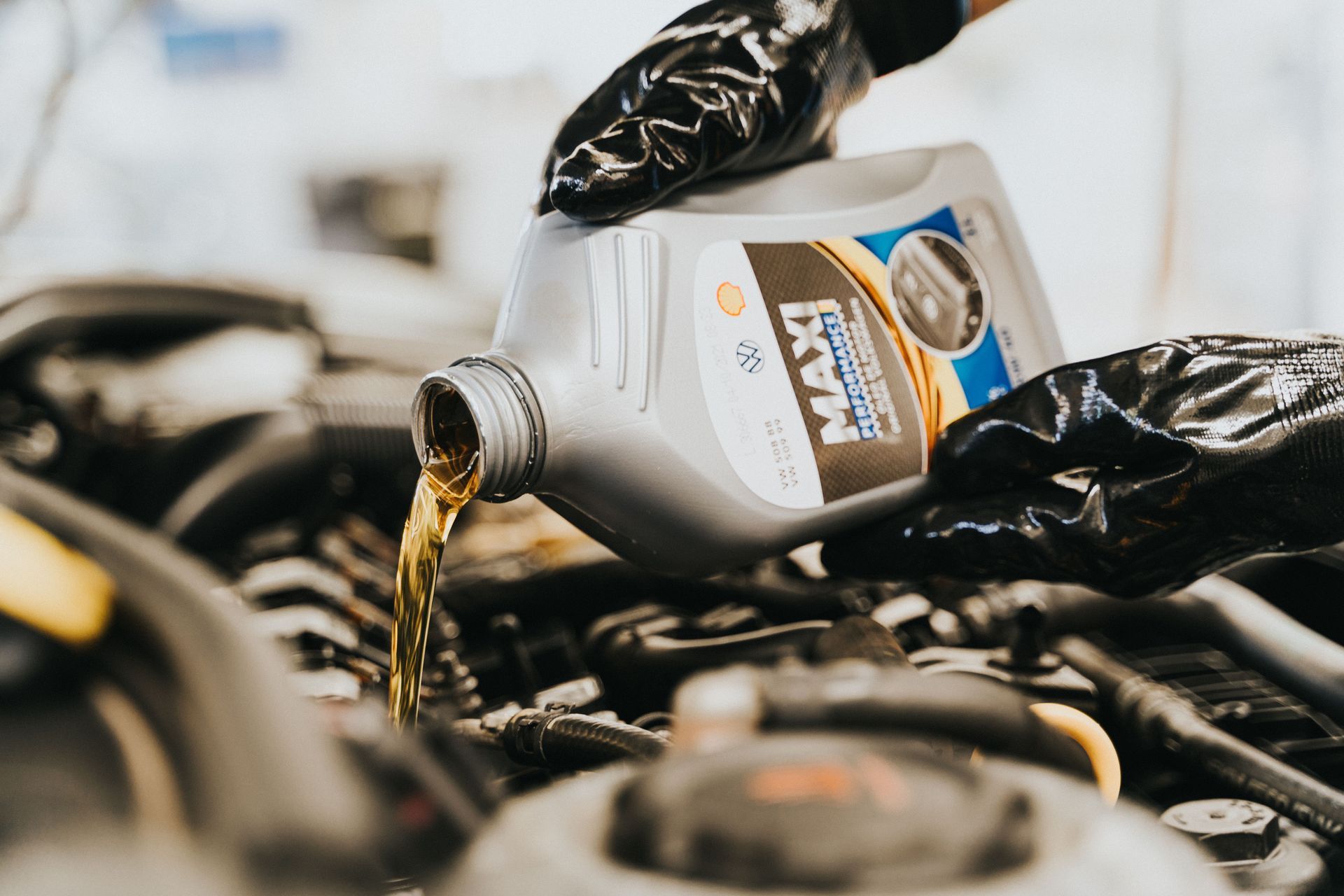
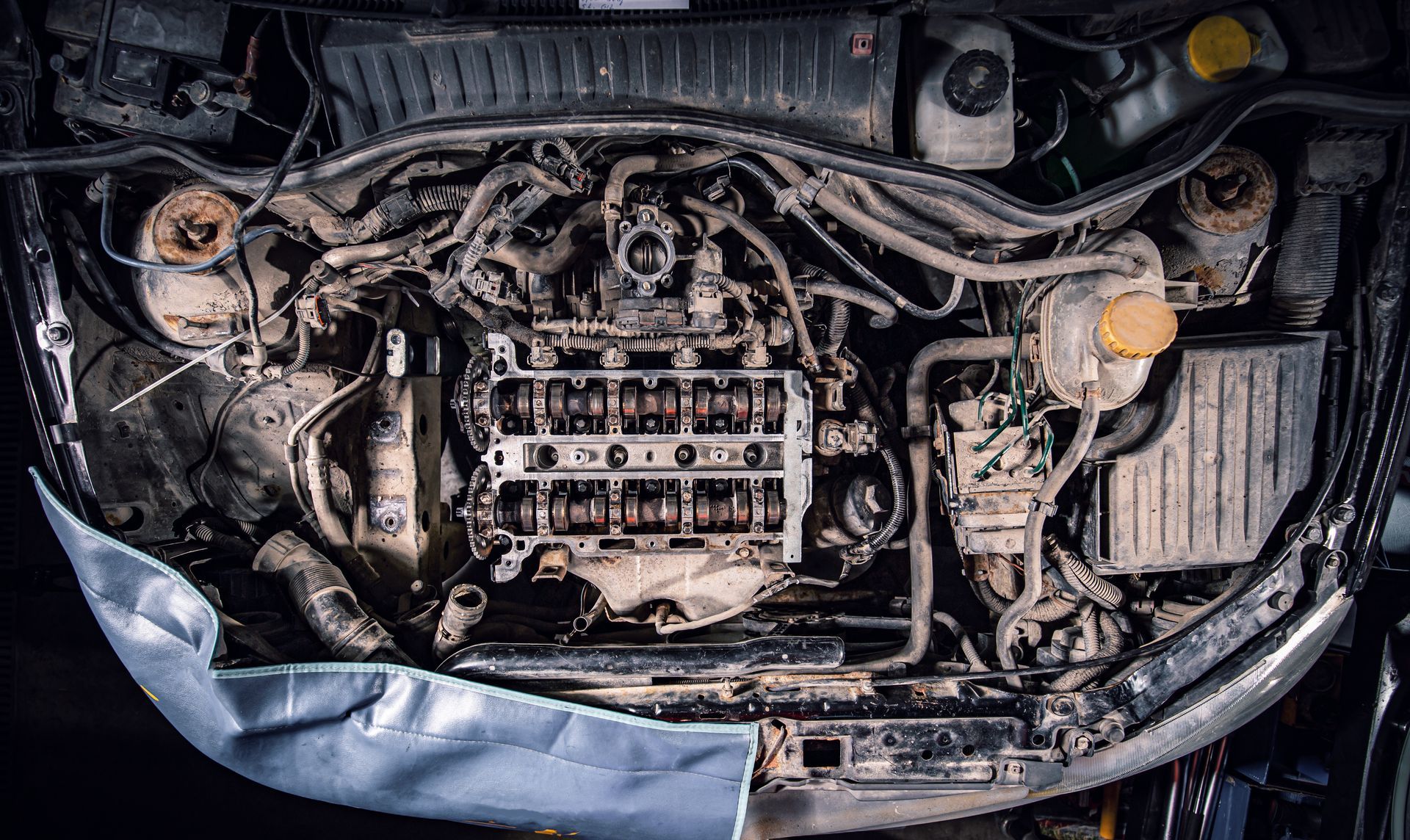
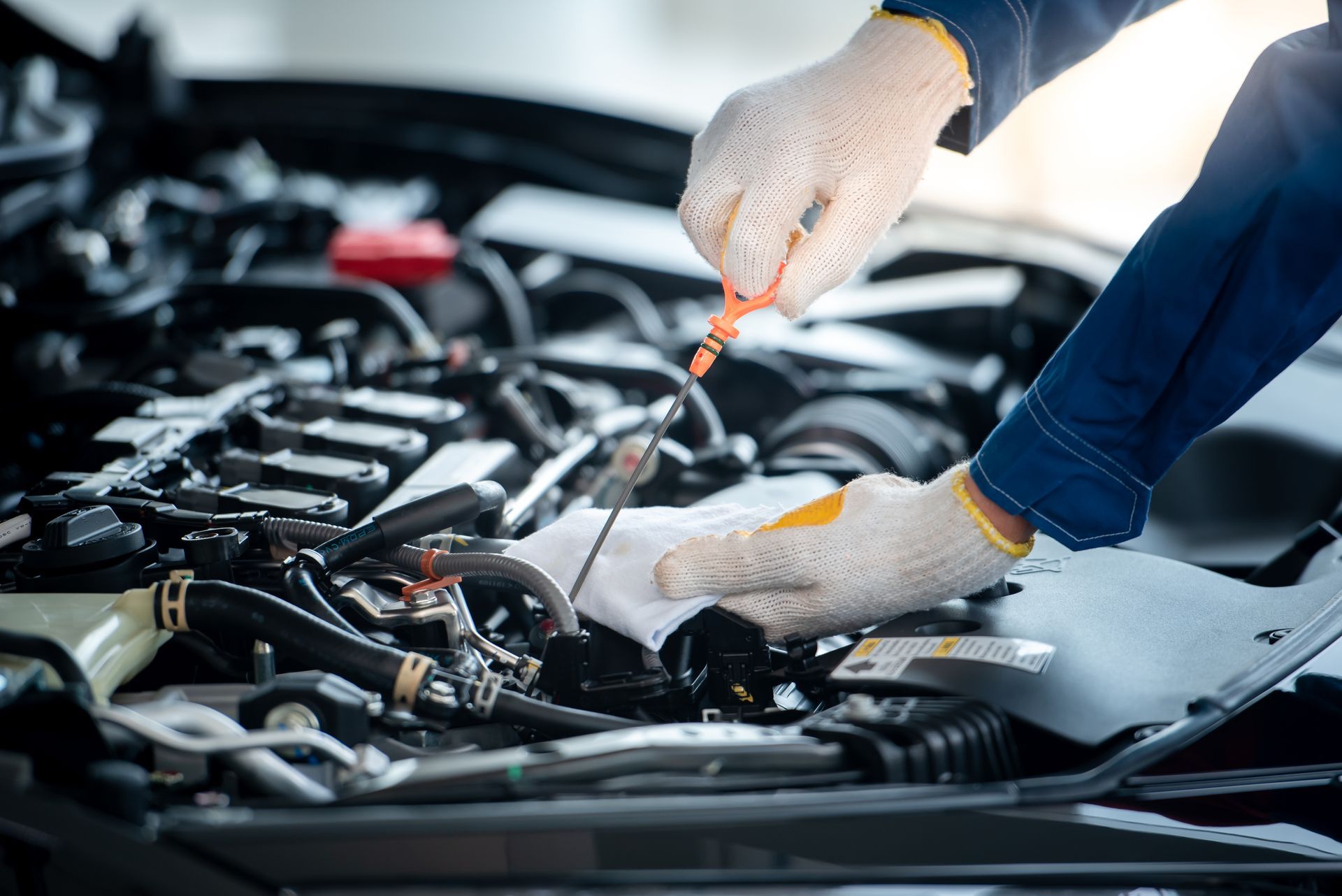
MINI vehicles use compact engine compartments, turbocharged engines on many models, electronic controls, and brand-specific service procedures. Cooling system leaks, oil leaks, timing-related wear, ignition concerns, suspension noise, and transmission behavior should be evaluated before small symptoms develop into larger repairs.
Regular maintenance should follow the requirements for the exact model, engine, transmission, and production year. An inspection by technicians familiar with MINI vehicles can reveal leaks, worn bushings, aging mounts, damaged belts, tire wear, and cooling system concerns that may not yet trigger a warning.
Get MINI Cooper Service In Roseville, CA, With Bertinis German Motors
Bertinis German Motors in Roseville, CA, provides service and repair for MINI Cooper models. Our team can evaluate engine performance, cooling systems, brakes, suspension, electronics, fluid leaks, and scheduled service needs.