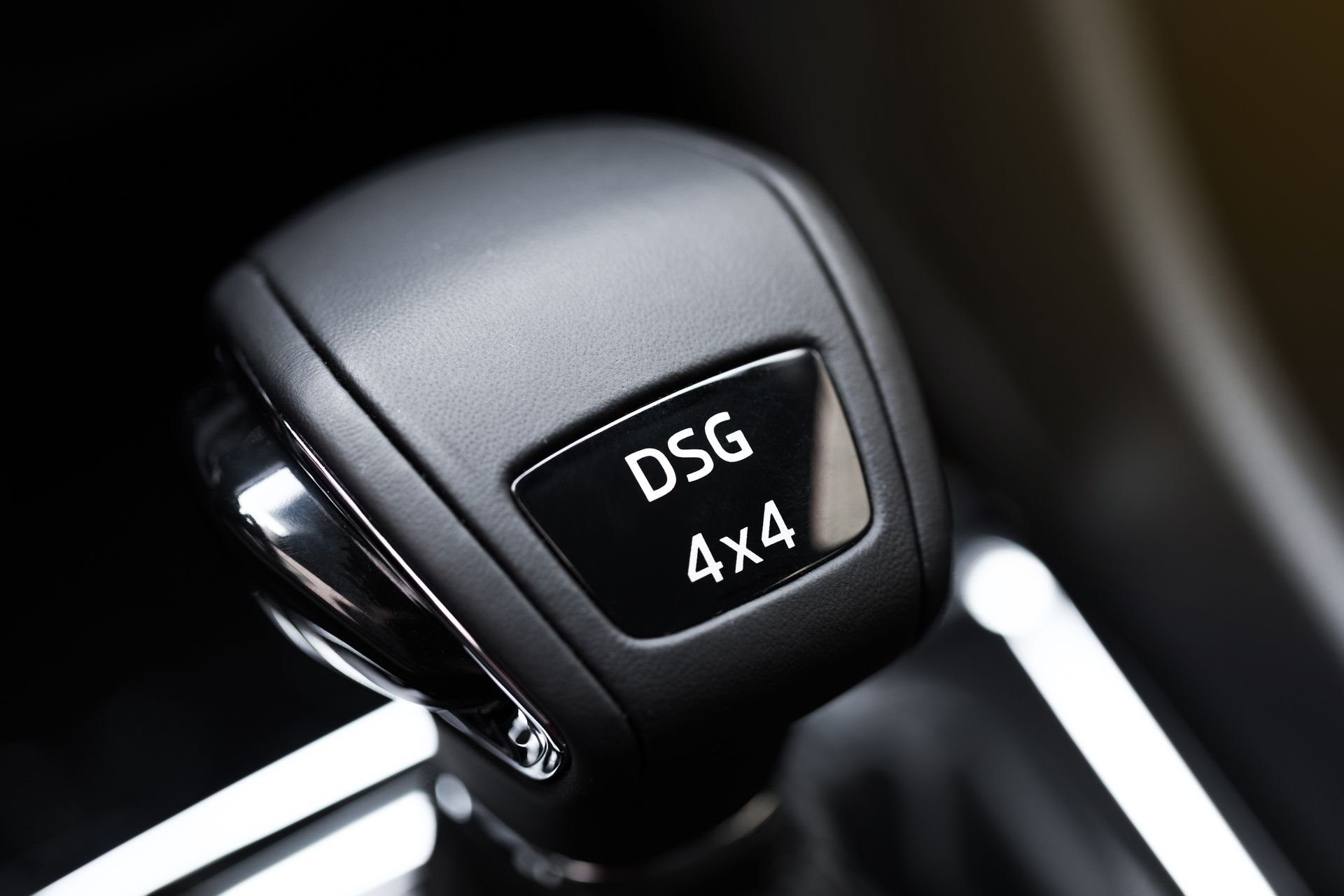
Why European Cars Have Removed the Oil Dipstick
If you have owned cars for a while, checking the oil used to feel like one of the most basic parts of driving. Pop the hood, pull out the dipstick, wipe it off, reinsert it, pull it again, and look at the level. Simple. Familiar. Reliable. So when drivers buy a newer European car and realize there is no oil dipstick at all, the reaction is usually some version of: “wait, what?”
We hear this a lot at our shop, especially from people moving into a BMW, Mercedes-Benz, Audi, Volkswagen, Porsche, or another European model for the first time. They are used to doing quick under-hood checks themselves, and suddenly the car is telling them to use the dashboard screen instead. For some drivers, that feels modern and convenient. For others, it feels like a basic tool has been taken away for no good reason.
The truth is, European automakers did not remove the oil dipstick on a whim. There are a few reasons behind it, and while not every driver loves the change, it does fit into the way many modern European vehicles are designed. From our perspective, understanding why this happened helps make the whole setup feel less strange, even if you still miss the old-school method.
Electronic Monitoring Taking Over
The biggest reason many European cars removed the oil dipstick is simple: manufacturers replaced manual oil-level checking with electronic oil monitoring systems. Instead of relying on the driver to physically check the level, the vehicle uses sensors to monitor oil condition or oil level and then reports that information through the instrument cluster or infotainment system. In theory, this makes things easier. You do not need to get your hands dirty, you do not need to interpret the level on a metal strip, and the car can guide you through the process.
From a manufacturer’s point of view, it sounds like progress. The car is smarter, more automated, and more in line with the overall direction of modern vehicle technology. European brands have leaned heavily into this idea because they often design their vehicles around integrated systems and driver information displays.
So yes, the dipstick disappeared partly because the computer took over its job.
European Cars Tend To Be Designed Differently From The Start
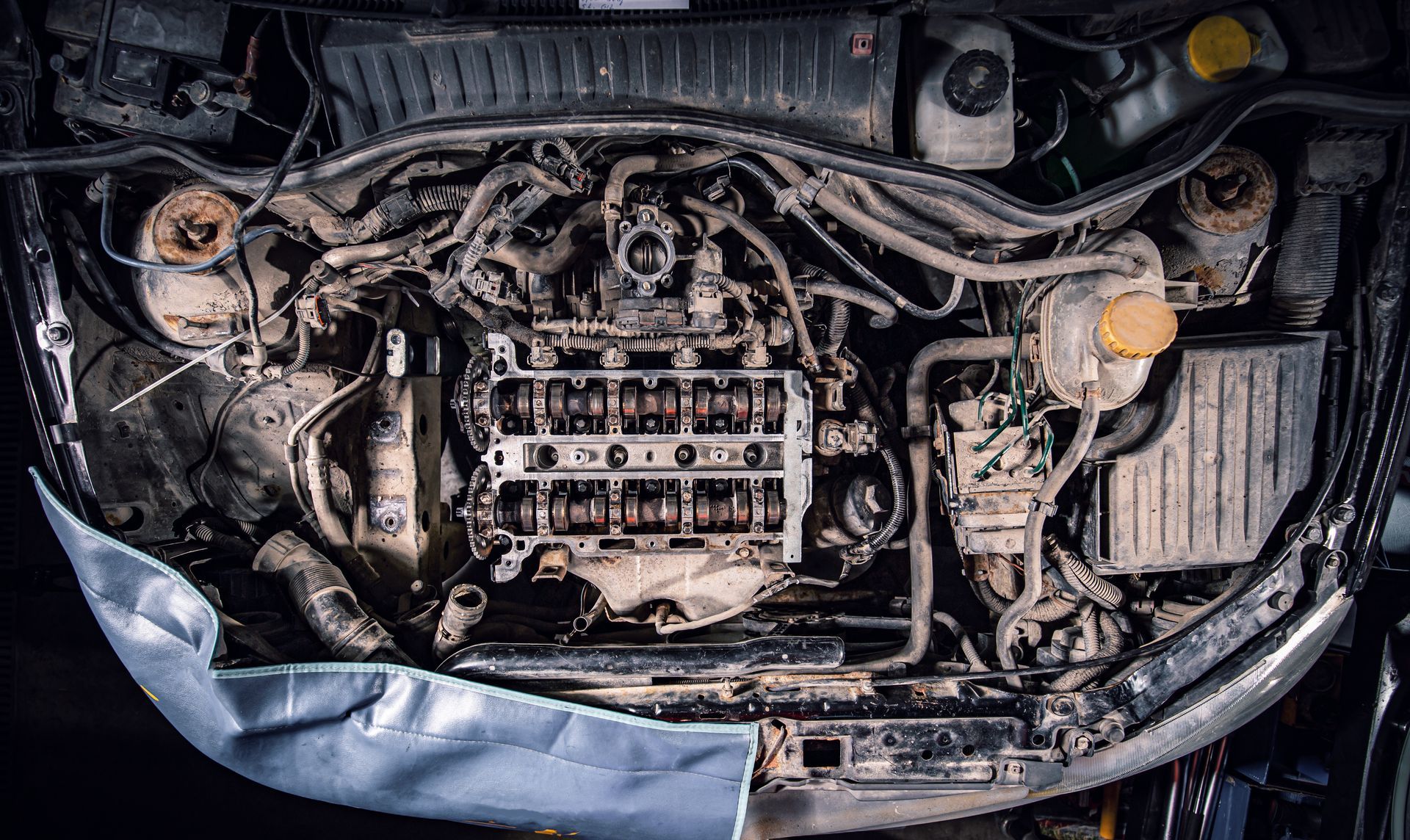
Another reason this change happened is that European vehicles often prioritize packaging, engineering efficiency, and under-hood layout differently than many traditional vehicles. Engines are packed tightly. Components are arranged to maximize performance, emissions compliance, airflow, crash safety, and service intervals. As engine bays got more crowded, manufacturers started looking for ways to simplify what the driver needed direct access to.
That does not just apply to oil dipsticks either. On some vehicles, even other routine maintenance points are less obvious than they used to be. Newer European cars are often designed with the assumption that the vehicle will monitor more of itself and that routine service will be guided by onboard systems or performed by trained technicians.
This does not mean owners are not supposed to care about maintenance. It means the car is increasingly designed to communicate maintenance needs electronically instead of relying on manual checks.
Manufacturers Wanted Fewer Opportunities For Error
This is one of the less obvious reasons, but it matters. Manual oil checks sound straightforward, but manufacturers know that not every driver checks oil correctly. Some people check it on uneven ground. Some check it when the engine is hot and oil has not drained back down yet. Some misread the level. Some add too much oil after seeing a low reading. And yes, some do not reinsert the dipstick properly.
By moving to an electronic system, manufacturers reduce some of that variability. The vehicle can guide the user to check the oil only under the right conditions, often when the engine is at operating temperature and the car is parked level. That helps standardize the reading.
Of course, whether drivers find that more helpful or more frustrating is another story.
Convenience Was Supposed To Be Part Of The Appeal
To be fair, there is a convenience angle here too. In theory, electronic oil level monitoring is easier for the average driver. No hood opening is required. You scroll through a menu, wait for the check to complete, and the vehicle tells you the result.
For some owners, that is genuinely better. It feels cleaner, more modern, and more in line with the experience they expect from a higher-end vehicle. European brands especially tend to market this kind of feature as part of a more refined ownership experience.
A few reasons some drivers actually like the change:
- No need to physically check the oil by hand
- Oil level information appears inside the vehicle
- The system may provide more specific warnings
- It fits with the car’s overall digital design
If everything is working correctly, it can be a very easy system to live with.
But Many European Vehicle Drivers Still Miss The Dipstick
Here is the other side of it: plenty of drivers do not trust the sensor as much as they trusted the dipstick. And honestly, we get it.
There is something reassuring about physically checking the oil yourself. You can see the level. You can look at the color and consistency. You do not have to rely on an electronic reading or wait for the system to run its check. For drivers who like to stay hands-on with maintenance, losing the dipstick feels like losing a direct connection to the engine’s condition.
This is especially frustrating when:
- The oil sensor is slow to update
- The system only checks under specific conditions
- A warning appears but does not explain much clearly
- The sensor itself fails or gives questionable readings
At that point, the convenience can start to feel like a hassle. Instead of quickly checking the oil, the owner now has to trust a system that may or may not be cooperating that day.
Electronic Monitoring Is Helpful, But Not Perfect
This is probably the most practical way to look at it. Electronic oil monitoring is not inherently bad. In many cases, it works well. But it is still just a system, and like any system, it can fail.
Sensors can go bad. Wiring issues can happen. Software can lag or behave strangely. If the oil level reading seems wrong or the car is giving inconsistent oil messages, that needs diagnosis. With a dipstick, the old backup method was built right in. Without one, you are relying fully on the vehicle’s electronics unless there is a hidden service dipstick or a shop performs a manual check another way.
That is one reason some technicians and enthusiasts still prefer having a physical dipstick available. It gives you an immediate point of comparison when the electronic system is not behaving normally.
What Drivers Should Do Instead
If your European car does not have a dipstick, the answer is not to ignore oil levels. It means you need to learn how your specific system works. Some vehicles require the engine to be warm. Some need the car parked on level ground. Some only allow a reading through a certain menu. Some will prompt you automatically when oil is low. Following the correct procedure matters, because otherwise you may think the system is not working when really it just has not been put in the right conditions to check.
In other words, just because the dipstick is gone does not mean oil level matters less. It actually means understanding the car’s monitoring system matters more.
Whether drivers love that change is a different question. Some appreciate the cleaner, more modern approach. Others would happily trade a menu screen for a metal dipstick in a heartbeat. We understand both sides. What matters most is not whether the oil level is checked by hand or by sensor. What matters is that it gets checked correctly and the oil gets changed at the right intervals.
Engine Oil Checks and Changes at Bertinis German Motors
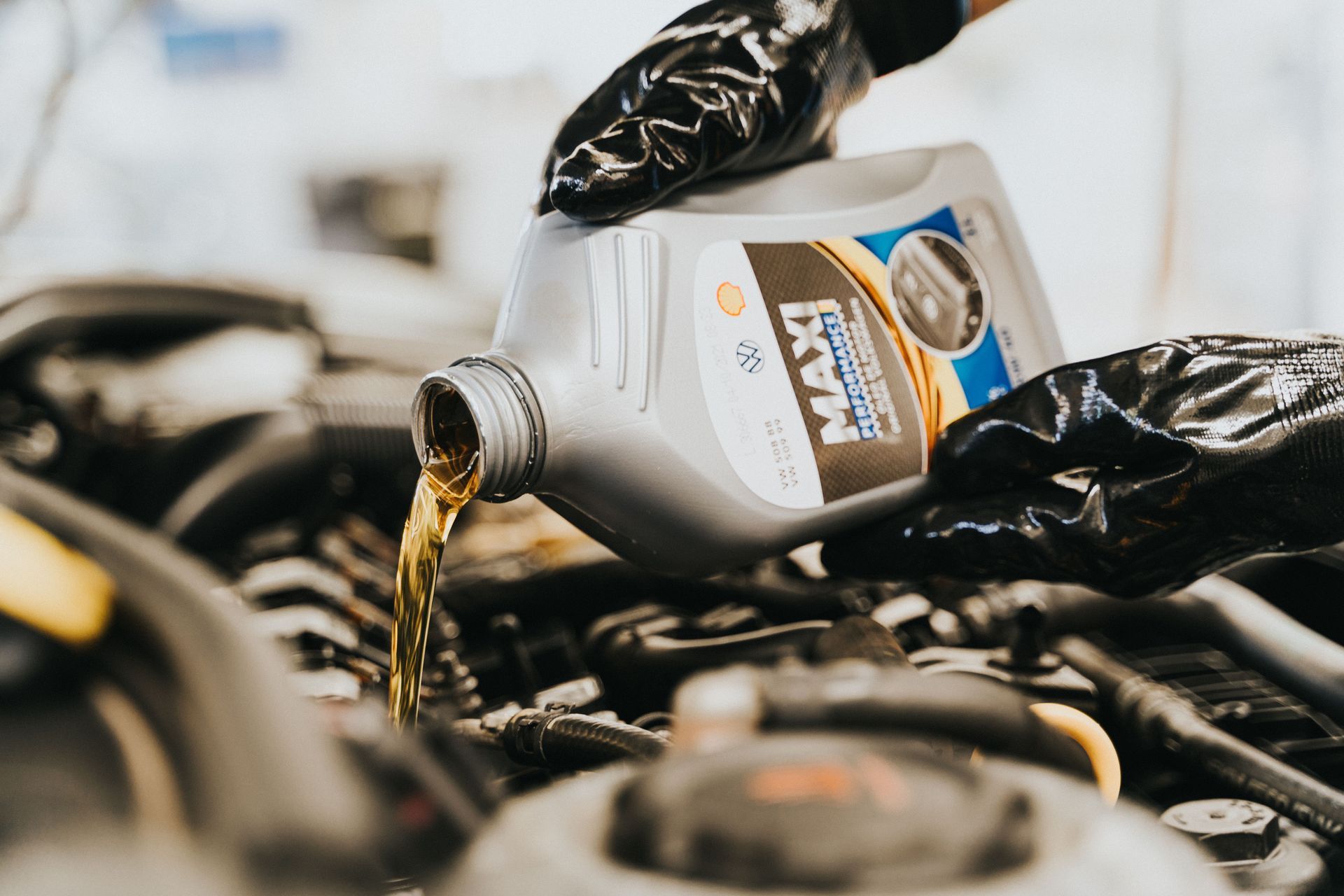
If your European car is giving oil level warnings, if the electronic system seems inaccurate, or if you just want help understanding how your vehicle’s oil monitoring works, bring it to Bertinis German Motors in Roseville, CA. We can inspect the system, verify the oil level, and help you stay ahead of your upcoming oil changes.
Call us today or stop by to schedule a service appointment.