8 Most Common MINI Cooper Problems We Deal With All The Time
MINI Coopers are fun to drive, compact, and surprisingly capable, but they also have a few repair patterns that show up regularly as mileage builds. Some problems are minor when caught early. Others can become expensive if warning signs are ignored for too long.
Different MINI generations use different engines and components, so not every vehicle develops the same issues. Still, after working on many of them, these are eight problems we see often enough that MINI owners should know what to watch for.
1. Engine Oil Leaks
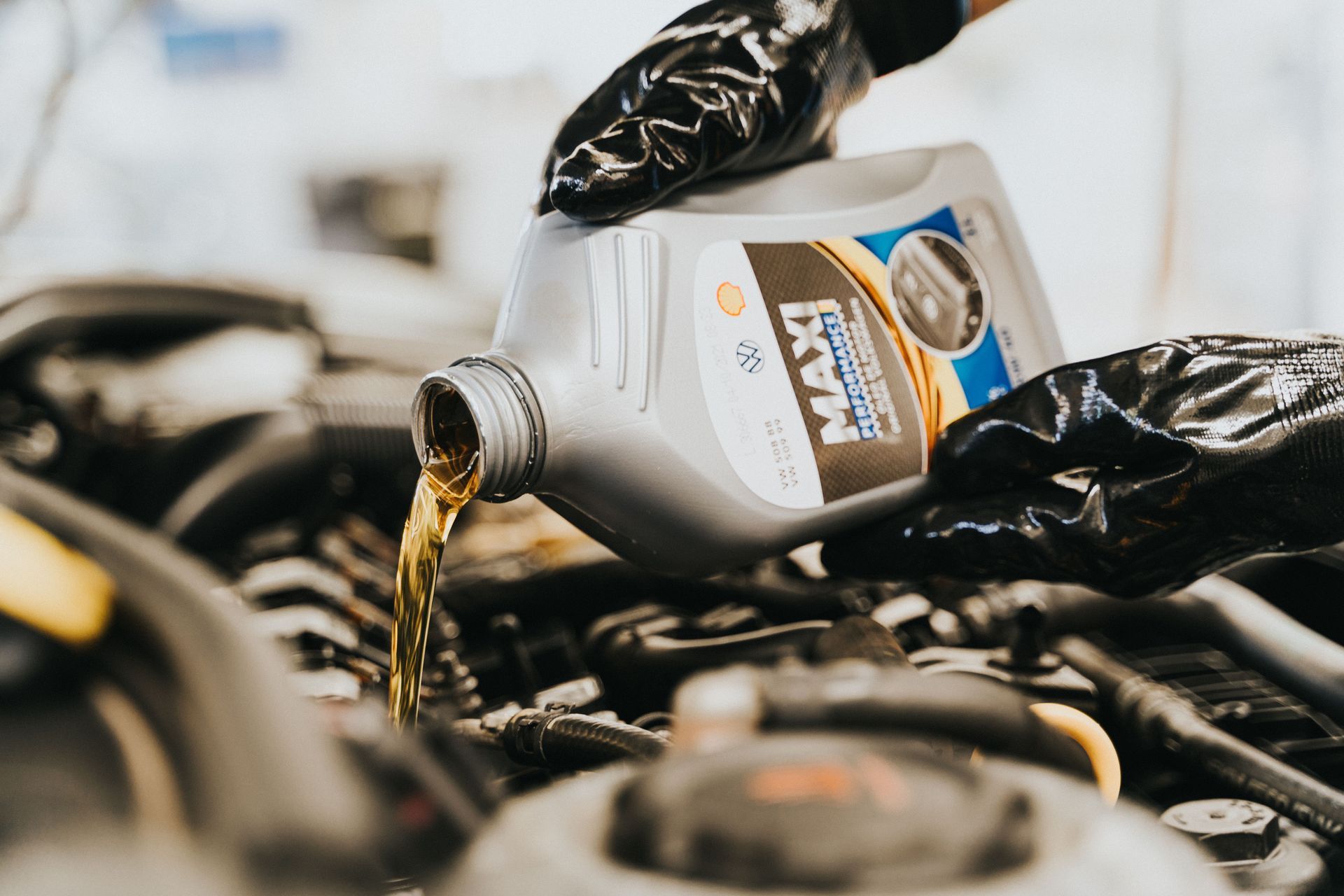
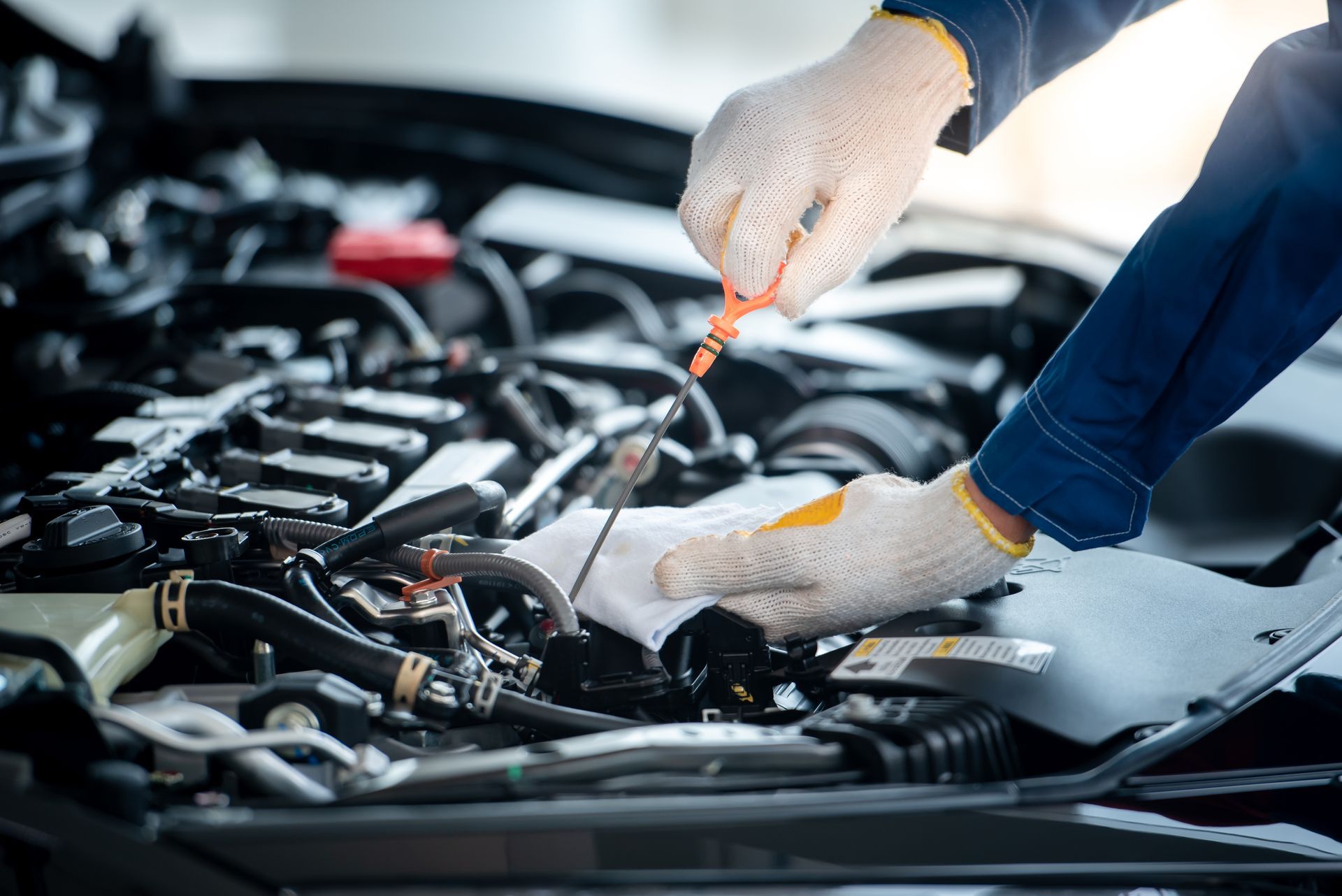
Oil leaks are common on higher-mileage MINIs. Valve cover gaskets, oil filter housing seals, oil pan areas, and other engine seals can begin leaking after years of heat cycles.
A small seep can spread oil across several parts of the engine, making the source harder to identify. At our shop, we trace the leak back to the highest fresh area before recommending repairs. Oil that reaches belts or hot exhaust components deserves quicker attention because it can damage rubber parts or create a burning smell.
2. Cooling System Leaks
MINI cooling systems use hoses, plastic fittings, thermostat housings, expansion tanks, water pumps, and other components that deal with constant heat and pressure. Plastic parts and seals become more brittle as they age.
Drivers may notice a coolant warning, sweet smell, dried residue, or the need to top off the reservoir. If the engine begins overheating, stop driving. A relatively simple coolant leak can become cylinder-head or head-gasket damage if the engine is repeatedly run too hot.
3. Thermostat and Water Pump Problems
Thermostats and water pumps are two components we watch closely when a MINI has inconsistent engine temperature or coolant loss. Depending on the engine, the two parts can be located close together, and their symptoms can overlap.
A thermostat stuck open can cause slow warm-up and weak heat. A restricted thermostat or weak water pump can contribute to overheating. During an inspection, we check coolant circulation, temperature data, leaks, and pressure rather than replacing one part simply because it is a common MINI repair.
4. Timing Chain and Tensioner Noise
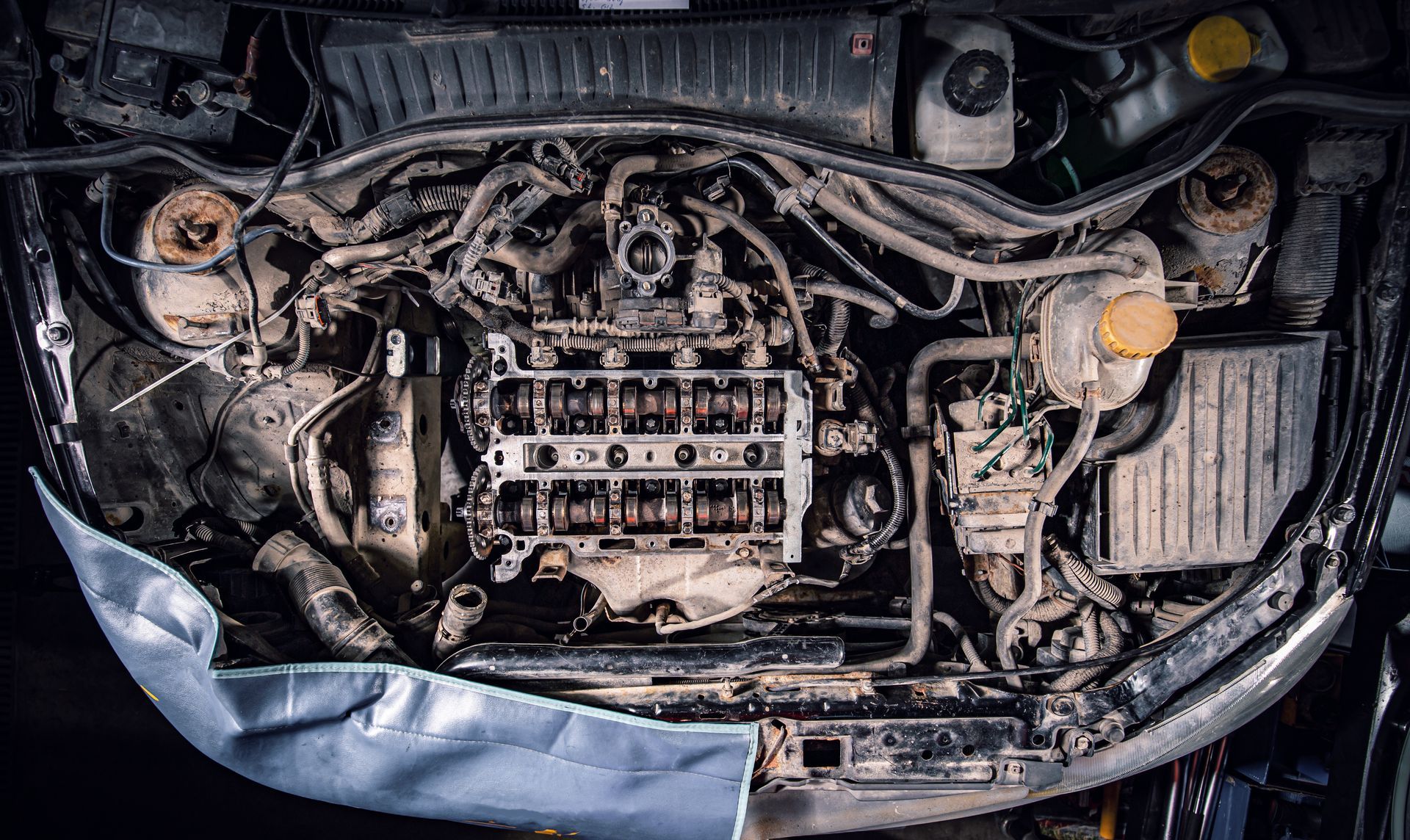
Some MINI engines can develop timing-chain, guide, or tensioner wear. A common warning is engine rattling, especially during startup or when the engine is still cold.
Timing components keep the camshafts and crankshaft synchronized. Excessive slack can eventually affect valve timing and engine operation. A new rattle that follows engine speed should be diagnosed instead of dismissed as normal MINI noise, especially if it comes with rough running or timing-related fault codes.
5. Ignition Coil and Spark Plug Misfires
Rough idle, hesitation, poor acceleration, and a flashing check engine light can all point toward an ignition misfire. Spark plugs and ignition coils are frequent places we check when a MINI begins running unevenly.
A coil can fail on one cylinder while the others remain healthy, so replacing every ignition component is not always necessary. We look at misfire data, plug condition, service history, and how the engine behaves under load. Regular spark plug maintenance also keeps worn gaps from placing unnecessary demand on the coils.
6. Carbon Buildup on Direct-Injection Engines
Some MINI engines use direct fuel injection, which means fuel is sprayed directly into the combustion chamber instead of washing across the back of the intake valves. Over time, deposits can build on those valves.
Heavy buildup can contribute to rough cold starts, hesitation, misfires, and reduced performance. Cleaning methods depend on the engine and the severity of the deposits. We confirm the symptoms and inspect the intake system before recommending an intake-valve cleaning service.
7. Suspension Bushing and Mount Wear
MINIs have responsive handling, which also means worn suspension parts become noticeable quickly. Control arm bushings, strut mounts, sway bar links, and other rubber components can develop play as mileage increases.
Drivers may hear clunks over bumps, notice vague steering, or see uneven tire wear. A worn bushing can also let alignment angles change when braking or cornering. We check for actual movement before replacing suspension parts because several components can create similar noises.
8. PCV and Crankcase Ventilation Problems
The crankcase ventilation system controls pressure inside the engine and routes vapors back into the intake. On some MINI engines, PCV components are built into the valve cover or related breather assembly.
When the system fails, you may notice a whistle, rough idle, oil leaks, increased oil consumption, or mixture-related fault codes. Incorrect crankcase pressure can also place extra stress on seals. Testing the ventilation system helps us separate a PCV problem from vacuum leaks, ignition faults, or other causes of poor idle quality.
Get MINI Cooper Repair In Roseville, CA, With Bertinis German Motors
If your MINI Cooper is leaking oil or coolant, rattling at startup, misfiring, overheating, or developing suspension noise, Bertinis German Motors in Roseville, CA, can inspect the vehicle and determine which components actually need attention.
Schedule a MINI inspection before a small problem becomes a larger repair.